

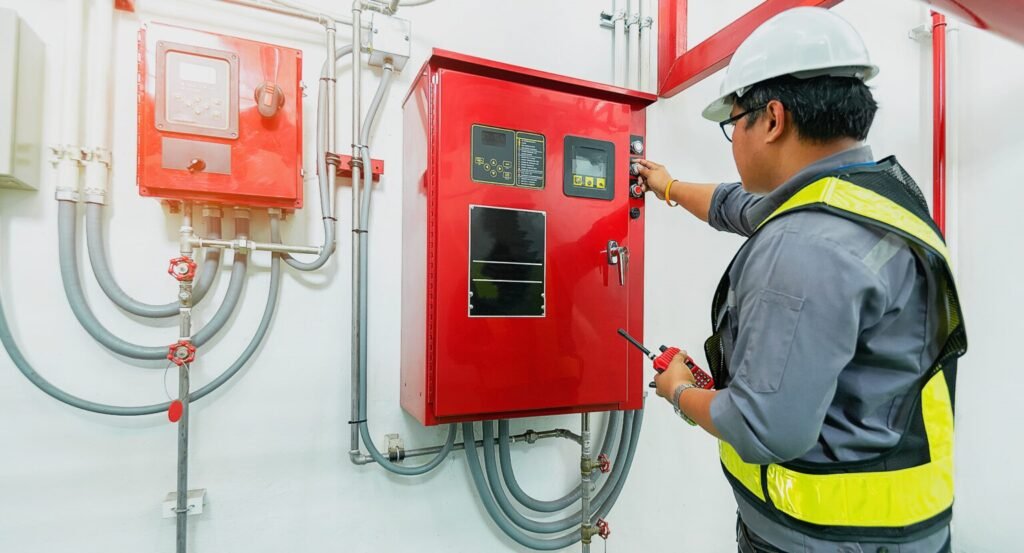
Fire Protection Systems: Importance, Types, and Maintenance
Fire safety systems are essential components in the design and operation of any facility, whether hospitals, companies, or commercial establishments. Fires pose a significant risk to lives and properties, causing devastating losses if not handled quickly and effectively. Therefore, advanced preventive systems are implemented, including fire suppression, alarm, and smoke detection systems, aimed at minimizing risks and ensuring rapid response to incidents.
Importance of Fire Safety Systems
Fire protection systems help in:
- Protecting lives: These systems enable early warning and effective evacuation procedures to safeguard individuals from smoke or fire exposure.
- Reducing material losses: Efficient fire suppression systems help contain fires, limiting damage to properties.
- Compliance with standards and regulations: Governments and regulatory authorities enforce strict fire safety standards that facility owners must adhere to for a safe environment.
- Ensuring business continuity: A reliable fire protection system minimizes operational disruptions caused by fire damage.
.
Fire detection and alarm systems consist of several key components, including sensors, control units, and visual and auditory alert devices. These systems are divided into two main types:
1. Automatic Fire Detection Systems
These include sensors that respond to different fire indicators such as:
- Smoke detectors: Detect fine particles produced by combustion and are commonly used in enclosed spaces like hospitals and hotels.
- Heat detectors: Respond to a rapid increase in temperature, making them suitable for areas with fumes or gases that could trigger false alarms in smoke detectors.
- Gas detectors: Identify leaks of flammable gases like propane or methane, helping prevent explosions.

2. Early Fire Warning Systems
These systems alert individuals in the facility about a fire through:
- Audible alarms: Emit loud sounds for warning, used in offices, factories, and hospitals.
- Visual alarms: Rely on bright flashing lights to alert people, especially in noisy environments.
- Automatic emergency communication systems: Send signals directly to civil defense centers or firefighting teams when a fire is detected.
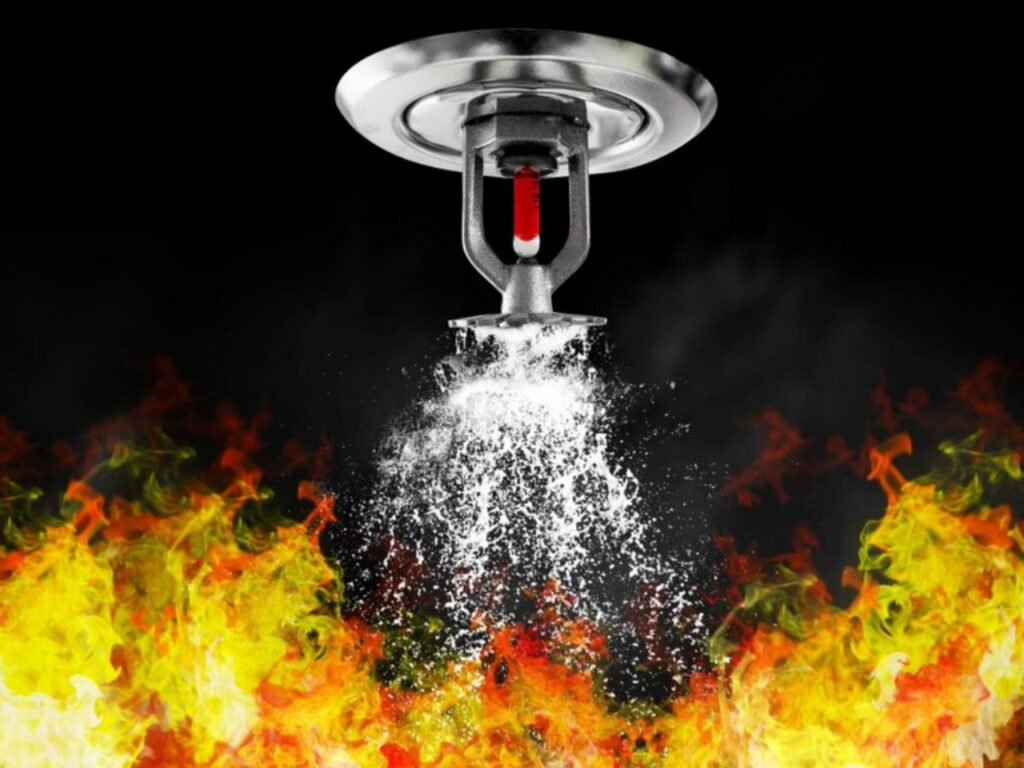
Fire Suppression Systems
1. Automatic Sprinkler Systems
Among the most effective fire suppression systems, sprinklers extinguish fires in their early stages by automatically discharging water when heat or smoke is detected. These systems are used in:
- Shopping centers
- Hospitals
- Factories and warehouses
2. Carbon Dioxide (CO₂) Fire Suppression Systems
These are used in locations where water is unsuitable, such as:
- Server rooms and electrical equipment rooms
- Laboratories and chemical research facilities
. Foam Fire Suppression Systems
Foam-based suppression is effective for extinguishing fires involving flammable liquids, such as fuels and oils, making them ideal for factories and airports.
4. Dry Chemical Fire Suppression Systems
These are used in industrial facilities and fuel stations to extinguish fires involving combustible metals and chemicals.
Fire Management Systems in Hospitals
Hospitals require specialized fire safety measures due to their vulnerable patients and sensitive medical equipment. Fire management in hospitals includes:
- Advanced early warning systems
- High-sensitivity smoke detectors
- Fire suppression systems that do not damage medical equipment, such as inert gas systems
- Detailed evacuation plans covering medical staff and patients
Fire Management Systems in Companies and Commercial Buildings
Businesses and commercial buildings require flexible and efficient fire protection systems, including:
- Integrated alarm systems connected to central building management
- Automatic sprinkler systems covering large areas
- Clear emergency plans outlining fire response and evacuation procedures
Fire Safety Standards and Installation Requirements
Fire safety systems adhere to international standards such as:
- NFPA (National Fire Protection Association)
- ISO 7240 for fire alarm systems
- European Standard EN 54 for fire detectors and alarm devices
Governments also enforce specific requirements, including:
- Providing adequate emergency exits
- Installing fire detection and alarm systems according to regulations
- Conducting regular system testing and maintenance
Regular Maintenance of Fire Protection Systems
To ensure efficiency, fire protection systems must undergo regular inspections, including:
- Testing fire detection and alarm devices
- Inspecting fire suppression systems and ref