

Comprehensive Guide on Cold Rooms and Their Importance in Product Preservation
Concept of Cold Rooms
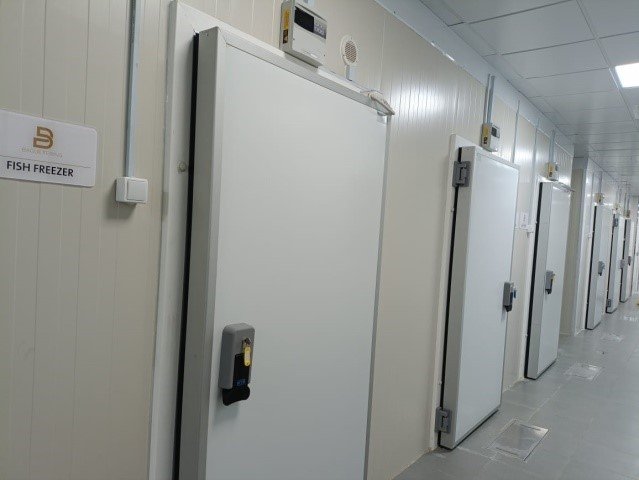
Cold rooms are specially designed facilities used to store food, pharmaceuticals, and industrial products at low temperatures, limiting microbial growth and slowing chemical reactions that cause spoilage. These rooms utilize advanced cooling systems operating at different temperature ranges depending on the type of product stored. Cold storage temperatures range between 0°C and +10°C, while freezing rooms maintain temperatures as low as -18°C or below.
Importance of Cold Rooms
- Extending Product Shelf Life: Cold storage helps preserve food and medicine for longer periods without compromising quality.
- Temperature and Humidity Control: Prevents product deterioration due to temperature fluctuations.
- Protection Against Microbial Contamination: Reduces the risk of harmful bacteria and mold growth.
- Minimizing Commercial Losses: Proper storage prevents spoilage, reducing financial losses.
- Energy Efficiency: More sustainable than traditional refrigerators with high power consumption.
Types of Cold Rooms
Cold rooms and freezing rooms vary based on several factors, including:
- By Temperature: Positive-temperature cold rooms and negative-temperature freezing rooms.
- By Size: Small, medium, and large rooms depending on storage requirements.
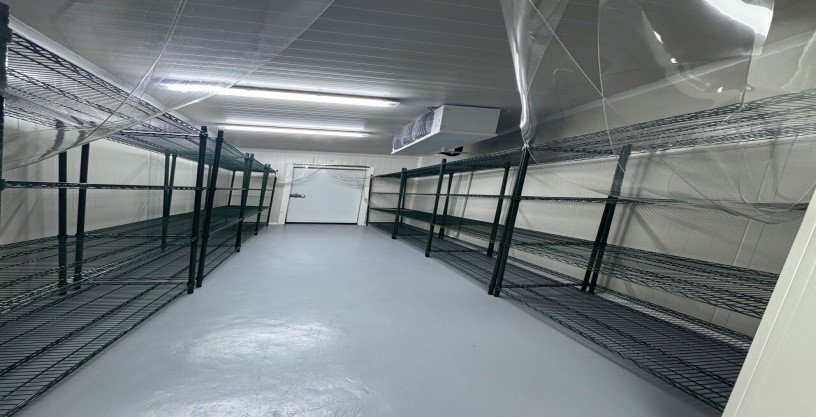
- By Storage Method: Shelving, wooden crates, metal pallets, or liquid storage.
- By Usage:
- Display rooms in retail stores and supermarkets.
- Storage rooms for food, pharmaceuticals, and sensitive products.
- Refrigeration rooms for products requiring stable temperatures without freezing.
Applications of Cold Rooms
Cold rooms are essential in various industries, including:
- Food Industry: Preserving meat, fish, vegetables, and fruits.
- Medical and Pharmaceutical Sector: Storing vaccines, medicines, and lab samples.
- Agriculture: Maintaining the freshness of harvested crops before distribution.
- Hotels and Restaurants: Keeping ingredients fresh for extended periods.
- Retail Sector: Used in supermarkets and shopping malls for displaying refrigerated products.
- Industrial Companies: Protecting raw materials from spoilage during production processes.
- Ports and Airports: Storing imported and exported perishable goods.
- Research Laboratories: Preserving chemical and biological samples.
Types of Products and Their Required Storage Temperatures
- Meat and Poultry: Stored at -18°C to maintain long-term freshness.
- Fish and Seafood: Requires -20°C for optimal preservation.
- Fruits and Vegetables: Best stored between 0°C and +5°C to maintain freshness.
- Dairy Products: Milk and yogurt should be kept at +4°C.
- Pharmaceuticals and Vaccines: Stored at temperatures between +2°C and +8°C, depending on the type.
- Baked Goods and Chocolate: Require temperatures between +10°C and +15°C to prevent spoilage.
The Future of Cold Rooms with Artificial Intelligence and Modern Technology
With rapid technological advancements, cold rooms increasingly rely on artificial intelligence (AI) and smart systems to enhance operational efficiency. Some of the latest innovations include:
- Smart Sensor Systems: Automatically monitor and adjust temperature and humidity levels.
- Solar-Powered Refrigeration: Reducing energy consumption and operational costs.
- Advanced Remote Control Systems: Allow users to monitor and manage cold rooms via mobile applications.
- Big Data Analytics: Helps track energy consumption and detect potential malfunctions before they occur.
- Enhanced Thermal Insulation Technologies: Minimize heat leakage and improve cooling efficiency.
- Robotic Storage Management: Facilitates efficient product arrangement, reducing human intervention.
With these advancements, cold rooms are becoming more efficient and sustainable, reducing waste and improving storage quality. As research and development continue, refrigeration systems will evolve further, strengthening their role across multiple critical industries.
Comprehensive Guide on Cold Rooms and Their Importance in Product Preservation
Concept of Cold Rooms
Cold rooms are specially designed facilities used to store food, pharmaceuticals, and industrial products at low temperatures, limiting microbial growth and slowing chemical reactions that cause spoilage. These rooms utilize advanced cooling systems operating at different temperature ranges depending on the type of product stored. Cold storage temperatures range between 0°C and +10°C, while freezing rooms maintain temperatures as low as -18°C or below.
Importance of Cold Rooms
- Extending Product Shelf Life: Cold storage helps preserve food and medicine for longer periods without compromising quality.
- Temperature and Humidity Control: Prevents product deterioration due to temperature fluctuations.
- Protection Against Microbial Contamination: Reduces the risk of harmful bacteria and mold growth.
- Minimizing Commercial Losses: Proper storage prevents spoilage, reducing financial losses.
- Energy Efficiency: More sustainable than traditional refrigerators with high power consumption.
Types of Cold Rooms
Cold rooms and freezing rooms vary based on several factors, including:
By Temperature: Positive-temperature cold rooms and negative-temperature freezing rooms.
- By Size: Small, medium, and large rooms depending on storage requirements.
- By Storage Method: Shelving, wooden crates, metal pallets, or liquid storage.
- By Usage:
- Display rooms in retail stores and supermarkets.
- Storage rooms for food, pharmaceuticals, and sensitive products.
- Refrigeration rooms for products requiring stable temperatures without freezing.
Applications of Cold Rooms
Cold rooms are essential in various industries, including:
- Food Industry: Preserving meat, fish, vegetables, and fruits.
- Medical and Pharmaceutical Sector: Storing vaccines, medicines, and lab samples.
- Agriculture: Maintaining the freshness of harvested crops before distribution.
- Hotels and Restaurants: Keeping ingredients fresh for extended periods.
- Retail Sector: Used in supermarkets and shopping malls for displaying refrigerated products.
- Industrial Companies: Protecting raw materials from spoilage during production processes.
- Ports and Airports: Storing imported and exported perishable goods.
- Research Laboratories: Preserving chemical and biological samples.
Types of Products and Their Required Storage Temperatures
- Meat and Poultry: Stored at -18°C to maintain long-term freshness.
- Fish and Seafood: Requires -20°C for optimal preservation.
- Fruits and Vegetables: Best stored between 0°C and +5°C to maintain freshness.
- Dairy Products: Milk and yogurt should be kept at +4°C.
- Pharmaceuticals and Vaccines: Stored at temperatures between +2°C and +8°C, depending on the type.
- Baked Goods and Chocolate: Require temperatures between +10°C and +15°C to prevent spoilage.
The Future of Cold Rooms with Artificial Intelligence and Modern Technology
With rapid technological advancements, cold rooms increasingly rely on artificial intelligence (AI) and smart systems to enhance operational efficiency. Some of the latest innovations include:
- Smart Sensor Systems: Automatically monitor and adjust temperature and humidity levels.
- Solar-Powered Refrigeration: Reducing energy consumption and operational costs.
- Advanced Remote Control Systems: Allow users to monitor and manage cold rooms via mobile applications.
- Big Data Analytics: Helps track energy consumption and detect potential malfunctions before they occur.
- Enhanced Thermal Insulation Technologies: Minimize heat leakage and improve cooling efficiency.
- Robotic Storage Management: Facilitates efficient product arrangement, reducing human intervention.
With these advancements, cold rooms are becoming more efficient and sustainable, reducing waste and improving storage quality. As research and development continue, refrigeration systems will evolve further, strengthening their role across multiple critical industries.
Comprehensive Guide on Cold Rooms and Their Importance in Product Preservation
Concept of Cold Rooms
Cold rooms are specially designed facilities used to store food, pharmaceuticals, and industrial products at low temperatures, limiting microbial growth and slowing chemical reactions that cause spoilage. These rooms utilize advanced cooling systems operating at different temperature ranges depending on the type of product stored. Cold storage temperatures range between 0°C and +10°C, while freezing rooms maintain temperatures as low as -18°C or below.
Importance of Cold Rooms
- Extending Product Shelf Life: Cold storage helps preserve food and medicine for longer periods without compromising quality.
- Temperature and Humidity Control: Prevents product deterioration due to temperature fluctuations.
- Protection Against Microbial Contamination: Reduces the risk of harmful bacteria and mold growth.
- Minimizing Commercial Losses: Proper storage prevents spoilage, reducing financial losses.
- Energy Efficiency: More sustainable than traditional refrigerators with high power consumption.

Types of Cold Rooms
Cold rooms and freezing rooms vary based on several factors, including:
- By Temperature: Positive-temperature cold rooms and negative-temperature freezing rooms.
- By Size: Small, medium, and large rooms depending on storage requirements.
- By Storage Method: Shelving, wooden crates, metal pallets, or liquid storage.
- By Usage:
- Display rooms in retail stores and supermarkets.
- Storage rooms for food, pharmaceuticals, and sensitive products.
- Refrigeration rooms for products requiring stable temperatures without freezing.
Applications of Cold Rooms
Cold rooms are essential in various industries, including:
- Food Industry: Preserving meat, fish, vegetables, and fruits.
- Medical and Pharmaceutical Sector: Storing vaccines, medicines, and lab samples.
- Agriculture: Maintaining the freshness of harvested crops before distribution.
- Hotels and Restaurants: Keeping ingredients fresh for extended periods.
- Retail Sector: Used in supermarkets and shopping malls for displaying refrigerated products.
- Industrial Companies: Protecting raw materials from spoilage during production processes.
- Ports and Airports: Storing imported and exported perishable goods.
- Research Laboratories: Preserving chemical and biological samples.
Types of Products and Their Required Storage Temperatures
- Meat and Poultry: Stored at -18°C to maintain long-term freshness.
- Fish and Seafood: Requires -20°C for optimal preservation.
- Fruits and Vegetables: Best stored between 0°C and +5°C to maintain freshness.
- Dairy Products: Milk and yogurt should be kept at +4°C.
- Pharmaceuticals and Vaccines: Stored at temperatures between +2°C and +8°C, depending on the type.
- Baked Goods and Chocolate: Require temperatures between +10°C and +15°C to prevent spoilage.
The Future of Cold Rooms with Artificial Intelligence and Modern Technology
With rapid technological advancements, cold rooms increasingly rely on artificial intelligence (AI) and smart systems to enhance operational efficiency. Some of the latest innovations include:
- Smart Sensor Systems: Automatically monitor and adjust temperature and humidity levels.
- Solar-Powered Refrigeration: Reducing energy consumption and operational costs.
- Advanced Remote Control Systems: Allow users to monitor and manage cold rooms via mobile applications.
- Big Data Analytics: Helps track energy consumption and detect potential malfunctions before they occur.
- Enhanced Thermal Insulation Technologies: Minimize heat leakage and improve cooling efficiency.
- Robotic Storage Management: Facilitates efficient product arrangement, reducing human intervention.
With these advancements, cold rooms are becoming more efficient and sustainable, reducing waste and improving storage quality. As research and development continue, refrigeration systems will evolve further, strengthening their role across multiple critical industries.
- Comprehensive Guide on Cold Rooms and Their Importance in Product Preservation
Concept of Cold Rooms
Cold rooms are specially designed facilities used to store food, pharmaceuticals, and industrial products at low temperatures, limiting microbial growth and slowing chemical reactions that cause spoilage. These rooms utilize advanced cooling systems operating at different temperature ranges depending on the type of product stored. Cold storage temperatures range between 0°C and +10°C, while freezing rooms maintain temperatures as low as -18°C or below.
Importance of Cold Rooms
- Extending Product Shelf Life: Cold storage helps preserve food and medicine for longer periods without compromising quality.
- Temperature and Humidity Control: Prevents product deterioration due to temperature fluctuations.
- Protection Against Microbial Contamination: Reduces the risk of harmful bacteria and mold growth.
- Minimizing Commercial Losses: Proper storage prevents spoilage, reducing financial losses.
- Energy Efficiency: More sustainable than traditional refrigerators with high power consumption.
Types of Cold Rooms
Cold rooms and freezing rooms vary based on several factors, including:
- By Temperature: Positive-temperature cold rooms and negative-temperature freezing rooms.
- By Size: Small, medium, and large rooms depending on storage requirements.
- By Storage Method: Shelving, wooden crates, metal pallets, or liquid storage.
- By Usage:
- Display rooms in retail stores and supermarkets.
- Storage rooms for food, pharmaceuticals, and sensitive products.
- Refrigeration rooms for products requiring stable temperatures without freezing.
Applications of Cold Rooms
Cold rooms are essential in various industries, including:
- Food Industry: Preserving meat, fish, vegetables, and fruits.
- Medical and Pharmaceutical Sector: Storing vaccines, medicines, and lab samples.
- Agriculture: Maintaining the freshness of harvested crops before distribution.
- Hotels and Restaurants: Keeping ingredients fresh for extended periods.
- Retail Sector: Used in supermarkets and shopping malls for displaying refrigerated products.
- Industrial Companies: Protecting raw materials from spoilage during production processes.
- Ports and Airports: Storing imported and exported perishable goods.
- Research Laboratories: Preserving chemical and biological samples.
Types of Products and Their Required Storage Temperatures
- Meat and Poultry: Stored at -18°C to maintain long-term freshness.
- Fish and Seafood: Requires -20°C for optimal preservation.
- Fruits and Vegetables: Best stored between 0°C and +5°C to maintain freshness.
- Dairy Products: Milk and yogurt should be kept at +4°C.
- Pharmaceuticals and Vaccines: Stored at temperatures between +2°C and +8°C, depending on the type.
- Baked Goods and Chocolate: Require temperatures between +10°C and +15°C to prevent spoilage.
The Future of Cold Rooms with Artificial Intelligence and Modern Technology
With rapid technological advancements, cold rooms increasingly rely on artificial intelligence (AI) and smart systems to enhance operational efficiency. Some of the latest innovations include:
- Smart Sensor Systems: Automatically monitor and adjust temperature and humidity levels.
- Solar-Powered Refrigeration: Reducing energy consumption and operational costs.
- Advanced Remote Control Systems: Allow users to monitor and manage cold rooms via mobile applications.
- Big Data Analytics: Helps track energy consumption and detect potential malfunctions before they occur.
- Enhanced Thermal Insulation Technologies: Minimize heat leakage and improve cooling efficiency.
- Robotic Storage Management: Facilitates efficient product arrangement, reducing human intervention.
With these advancements, cold rooms are becoming more efficient and sustainable, reducing waste and improving storage quality. As research and development continue, refrigeration systems will evolve further, strengthening their role across multiple critical industries.