Hidden and Ducted Air Conditioning Systems in Large Spaces: A Comprehensive Guide
Introduction
Air conditioning systems are essential components in the design of large buildings such as malls, hotels, hospitals, and massive office buildings. Hidden and ducted air conditioning systems are among the most effective solutions, providing high thermal comfort while ensuring energy efficiency and uniform air distribution. In this article, we will cover all aspects of these systems, from their definition and importance to their components, types, maintenance methods, and design requirements.
First: Definition of Hidden and Ducted Air Conditioning Systems
1. Hidden Air Conditioning System
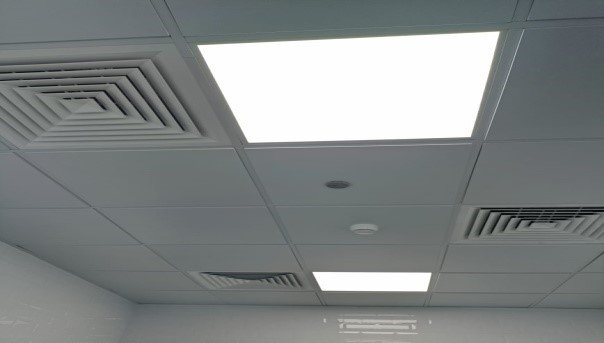
This is a central air conditioning system installed inside false ceilings, making it invisible to occupants. It relies on a network of ducts to transport cooled or heated air to different areas of the building.
2. Ducted Air Conditioning System
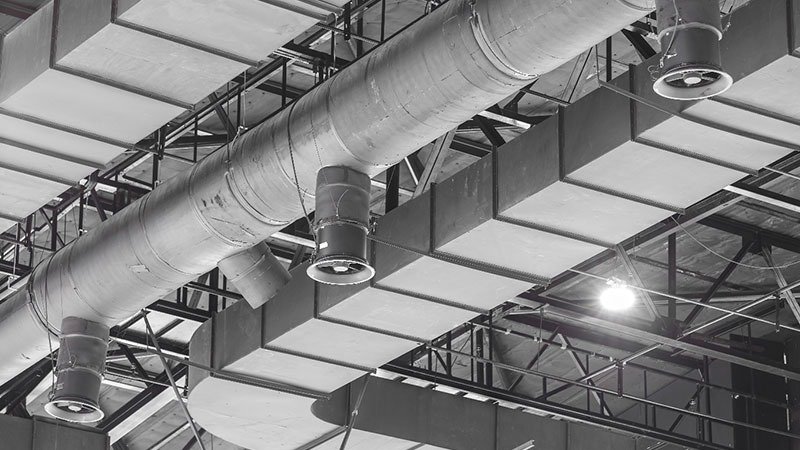
This system utilizes ductwork to distribute conditioned air from the air conditioning unit to all rooms and spaces within the building.
It can be connected to central cooling units such as chillers or separate DX (Direct Expansion) units.
Second: Importance of Hidden and Ducted Air Conditioning Systems
- Provides thermal comfort: Ensures uniform air distribution throughout the space.
- Enhances aesthetics: Since the air conditioning units are not visibly exposed.
- Energy efficiency: Airflow can be regulated based on demand.
- Noise reduction: The main cooling unit is often located away from occupied spaces.
- Fresh air distribution: Through filters and air treatment devices.
Third: Components of Hidden and Ducted Air Conditioning Systems
- Indoor Unit (Evaporator Unit): Responsible for cooling or heating the air and distributing it through ducts.
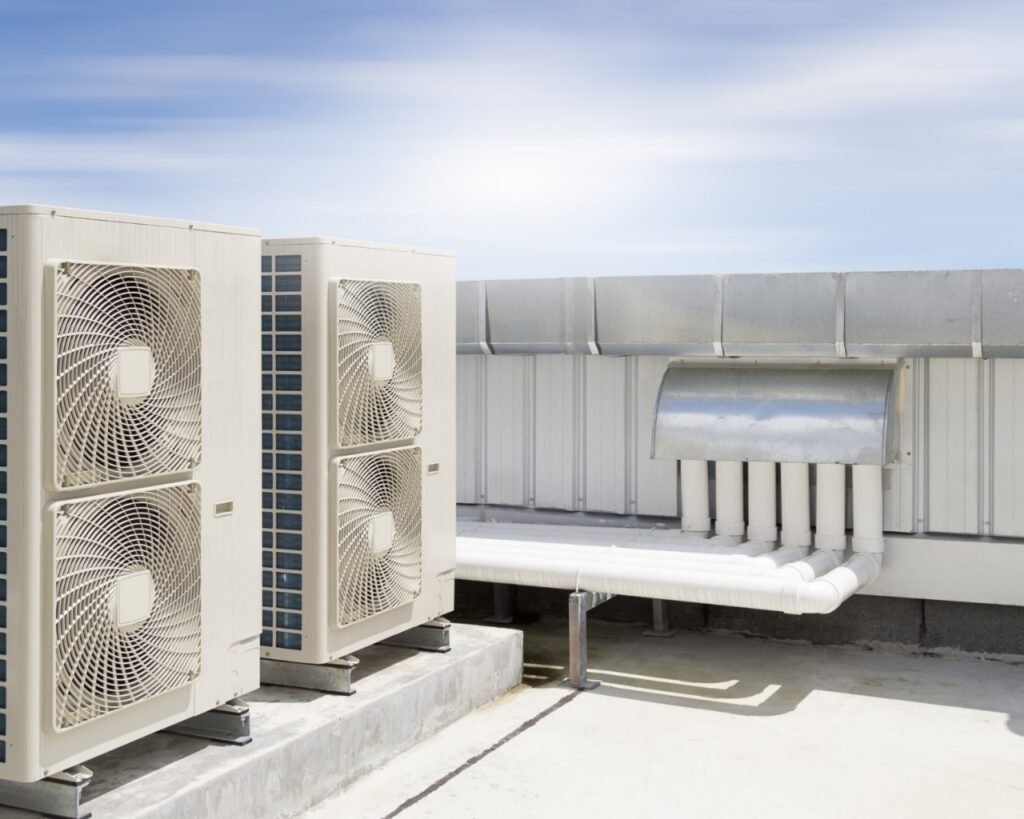
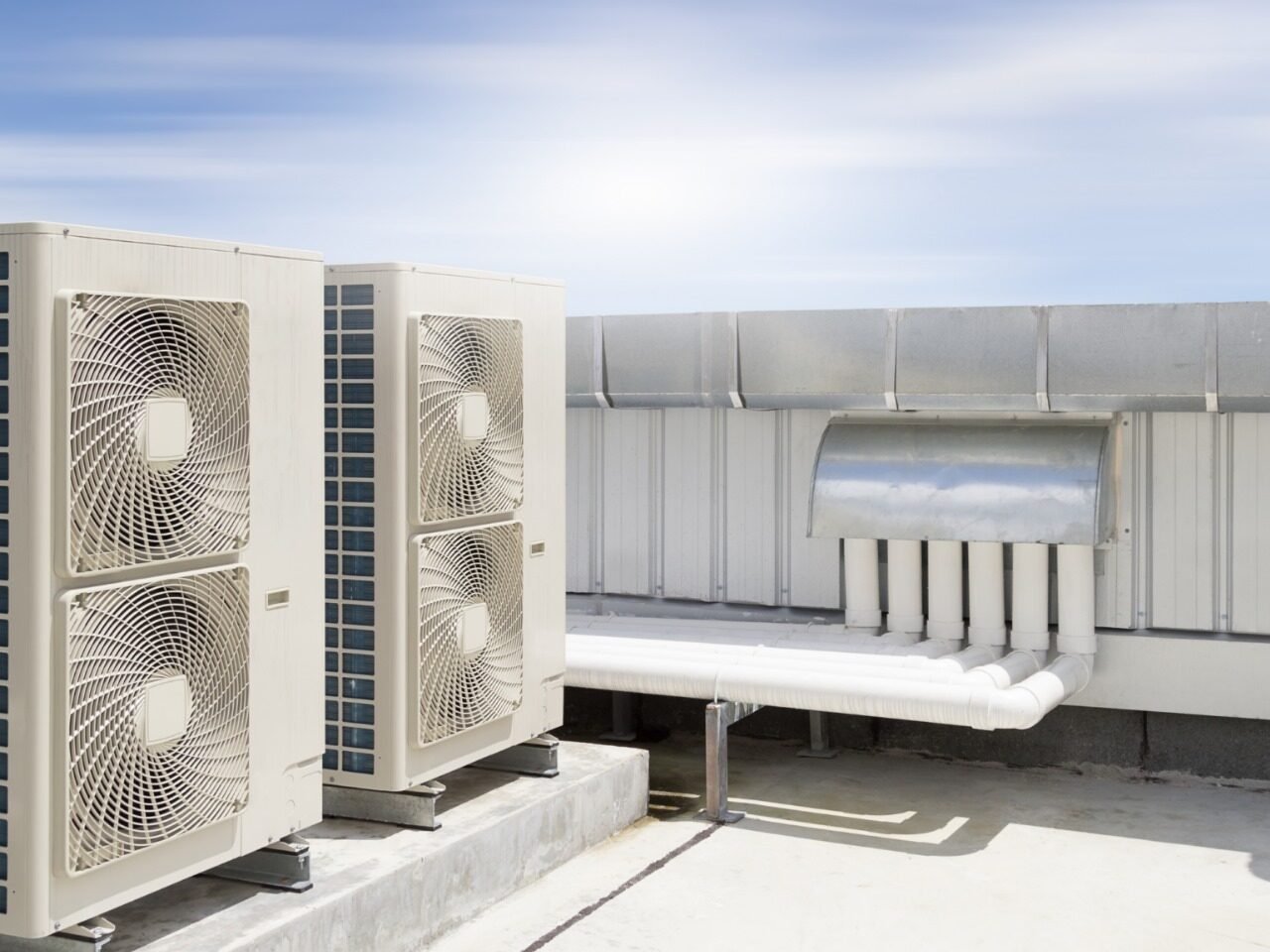
- Outdoor Unit (Compressor & Condenser Unit): Compresses and cools the refrigerant gas.
- Ductwork (Ducts): Metal or plastic channels used to transport air.
- Air Outlets (Diffusers & Grilles): Openings that distribute air inside rooms.
- Thermostat: A device used to control temperature.
- Filters: Purify air from dust and impurities.
- Ventilation Fans (Blowers/Fans): Ensure continuous airflow.
Fourth: Types of Hidden and Ducted Air Conditioning Systems
- Central Air Conditioning System: Relies on large cooling units such as chillers.Split Ducted System: Uses separate units for each zone or room.
- Variable Air Volume (VAV) System: Provides higher efficiency by controlling temperature separately in different zones.
- Constant Air Volume (CAV) System: Delivers a constant airflow but is less efficient than VAV.
Fifth: Design and Installation of Hidden and Ducted Air Conditioning Systems
- Heat Load Calculation: Determines the required cooling capacity based on building size, number of occupants, and internal equipment.
- Ductwork Design: Ensures balanced air distribution.
- Choosing the Right Materials: Such as thermally insulated ducts to reduce energy loss.
- Determining Air Outlet Locations: Ensures proper airflow without creating uneven temperature zones.
- Integration with Other Ventilation Systems: Such as natural ventilation and air purification systems.
Sixth: Maintenance of Hidden and Ducted Air Conditioning Systems
- Regular Filter Cleaning: Ensures high indoor air quality.
- Detecting Leaks in Ducts: Prevents cold air loss.
- Checking Compressor and Fan Efficiency: Ensures system performance.
- Updating Control Systems: Smart controls can optimize energy consumption.
- Scheduling Periodic Maintenance: Conducted by specialized teams to ensure system efficiency.
Seventh: Challenges and Solutions in Hidden and Ducted Air Conditioning Systems
Challenges:
- High energy consumption in some conventional systems.
- High initial installation cost.
- Maintenance difficulties due to poor access to certain areas.
- Possible mold and bacteria buildup inside ducts.
Solutions:
- Using thermal insulation inside ducts.
- Implementing smart temperature and airflow control systems.
- Scheduling regular maintenance to ensure cleanliness and efficiency.
- Improving indoor air quality with advanced filters and purification systems.
تعتبر أنظمة التكييف من العناصر الأساسية في تصميم المباني الكبيرة مثل المولات، الفنادق، المستشفيات، والمباني الإدارية الضخمة. ويعد نظام التكييف المخفي والدكت من الحلول المثالية التي توفر راحة حرارية عالية مع كفاءة في استهلاك الطاقة وتوزيع الهواء بشكل متساوٍ. في هذا المقال، سنتناول جميع التفاصيل المتعلقة بهذه الأنظمة، بدءًا من تعريفها وأهميتها، مرورًا بمكوناتها وأنواعها، وصولًا إلى أساليب الصيانة ومتطلبات التصميم.
أولًا: تعريف أنظمة التكييف المخفي والدكت
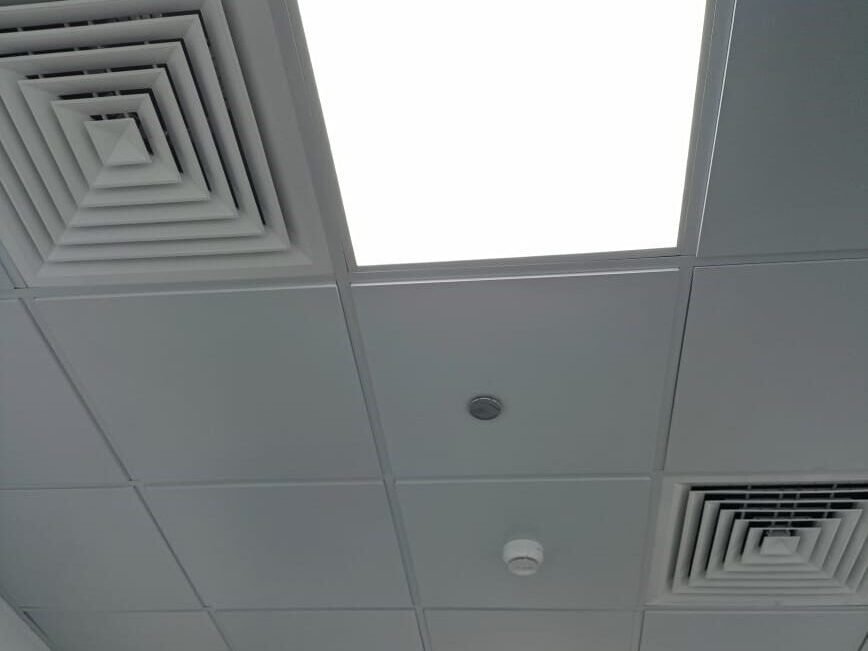
نظام التكييف المخفي
هو نظام تكييف مركزي يتم تركيبه داخل الأسقف المستعارة بحيث لا يكون
مرئيًا للعين، ويعتمد على شبكة من الدكتات (القنوات الهوائية) لنقل
الهواء البارد أو الساخن إلى مختلف أجزاء المبنى.
نظام التكييف الدكت
هو نظام يستخدم مجاري هوائية (دكتات) لتوزيع الهواء المكيف من وحدة التكييف إلى جميع الغرف والمساحات في المبنى. يمكن أن يكون هذا النظام متصلًا بوحدات تبريد مركزية مثل الشيلر أو وحدات التكييف المنفصلة (DX Units).
ثانيًا: أهمية أنظمة التكييف المخفي والدكت
- توفير الراحة الحرارية: توزيع متساوٍ للهواء في جميع أرجاء المكان.
- تحسين جمالية المكان: نظرًا لعدم ظهور وحدات التكييف بشكل واضح.
- كفاءة استهلاك الطاقة: حيث يتم التحكم في تدفق الهواء حسب الحاجة.
- تقليل الضوضاء: لأن الوحدة الرئيسية للتبريد غالبًا تكون بعيدة عن المساحات المشغولة.
- توزيع الهواء النقي: عبر فلاتر وأجهزة معالجة الهواء.
ثالثًا: مكونات أنظمة التكييف المخفي والدكت
- الوحدة الداخلية (Evaporator Unit): وهي المسؤولة عن تبريد أو تسخين الهواء وإرساله عبر الدكتات.
- الوحدة الخارجية (Compressor & Condenser Unit): تقوم بضغط الغاز وتبريده.
- الدكتات (Ducts): قنوات معدنية أو بلاستيكية تستخدم لنقل الهواء.
- المخارج الهوائية (Diffusers & Grilles): فتحات توزيع الهواء داخل الغرف.
- الثرموستات (Thermostat): جهاز التحكم في درجة الحرارة.
- الفلاتر (Filters): لتنقية الهواء من الشوائب والغبار.
- مراوح التهوية (Blowers/Fans): لتوفير تدفق مستمر للهواء.
.
رابعًا: أنواع أنظمة التكييف المخفي والدكت
- نظام التكييف المركزي (Central Air Conditioning System): يعتمد على وحدات تبريد كبيرة مثل الشيلر.
- نظام التكييف المنفصل (Split Ducted System): يستخدم وحدات منفصلة لكل منطقة أو غرفة.
- نظام التكييف بالهواء المتغير (VAV – Variable Air Volume): يوفر كفاءة أعلى في التحكم بدرجة الحرارة لكل منطقة.
- نظام التكييف ذو الضغط الثابت (CAV – Constant Air Volume): يوفر تدفق هواء ثابت لكنه أقل كفاءة من VAV.
خامسًا: تصميم وتركيب أنظمة التكييف المخفي والدكت
- حساب الأحمال الحرارية: يتم تحديد قدرة التكييف المطلوبة بناءً على حجم المبنى وعدد الأفراد والمعدات الداخلية.
- تصميم مسارات الدكتات: لضمان توزيع متوازن للهواء.
- اختيار المواد المناسبة: مثل الدكتات المعزولة حراريًا لتقليل فقدان الطاقة.
- تحديد مواقع المخارج الهوائية: لضمان تدفق مناسب للهواء دون حدوث مناطق ساخنة أو باردة بشكل غير متساوٍ.
- تكامل النظام مع أنظمة التهوية الأخرى: مثل التهوية الطبيعية وأنظمة تنقية الهواء.
سادسًا: صيانة أنظمة التكييف المخفي والدكت
- تنظيف الفلاتر بشكل دوري: لضمان جودة الهواء الداخل.
- الكشف عن تسريبات في الدكتات: لمنع فقدان الهواء البارد.
- فحص كفاءة الضاغط والمراوح: لضمان عمل النظام بكفاءة.
- تحديث أنظمة التحكم: لاستخدام أنظمة ذكية تقلل من استهلاك الطاقة.
- جدولة الصيانة الدورية: بواسطة فريق متخصص لضمان عمل النظام بسلاسة.
سابعًا: التحديات والحلول في أنظمة التكييف المخفي والدكت
التحديات:
- استهلاك الطاقة العالي في بعض الأنظمة التقليدية.
- تكلفة التركيب الأولية المرتفعة.
- صعوبة الصيانة في بعض التصاميم التي تفتقر إلى ممرات وصول مناسبة.
- احتمال تراكم العفن والبكتيريا داخل الدكتات.
الحلول:
- استخدام تقنيات العزل الحراري داخل الدكتات.
- اعتماد أنظمة التحكم الذكي في درجات الحرارة والتدفق الهوائي.
- جدولة صيانة دورية لضمان نظافة وكفاءة النظام.
- تحسين جودة الهواء الداخلي باستخدام فلاتر متقدمة وأنظمة تنقية.