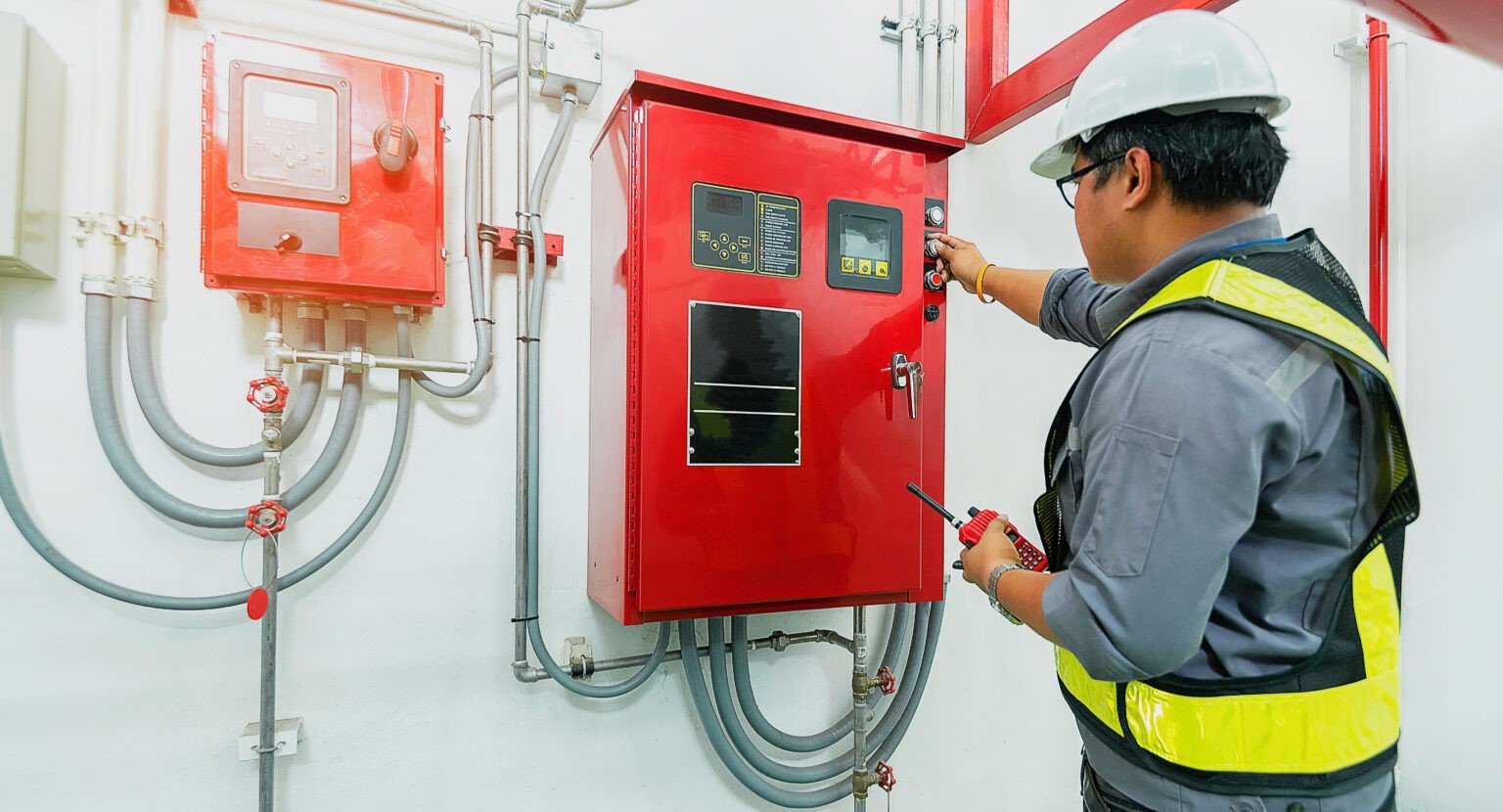
Fire Protection Systems: Importance, Types, and Maintenance
Fire safety systems are essential components in the design and operation of any facility, whether hospitals, companies, or commercial establishments. Fires pose a significant risk to lives and properties, causing devastating losses if not handled quickly and effectively. Therefore, advanced preventive systems are implemented, including fire suppression, alarm, and smoke detection systems, aimed at minimizing risks and ensuring rapid response to incidents.
Importance of Fire Safety Systems
Fire protection systems help in:
- Protecting lives: These systems enable early warning and effective evacuation procedures to safeguard individuals from smoke or fire exposure.
- Reducing material losses: Efficient fire suppression systems help contain fires, limiting damage to properties.
- Compliance with standards and regulations: Governments and regulatory authorities enforce strict fire safety standards that facility owners must adhere to for a safe environment.
- Ensuring business continuity: A reliable fire protection system minimizes operational disruptions caused by fire damage.
.
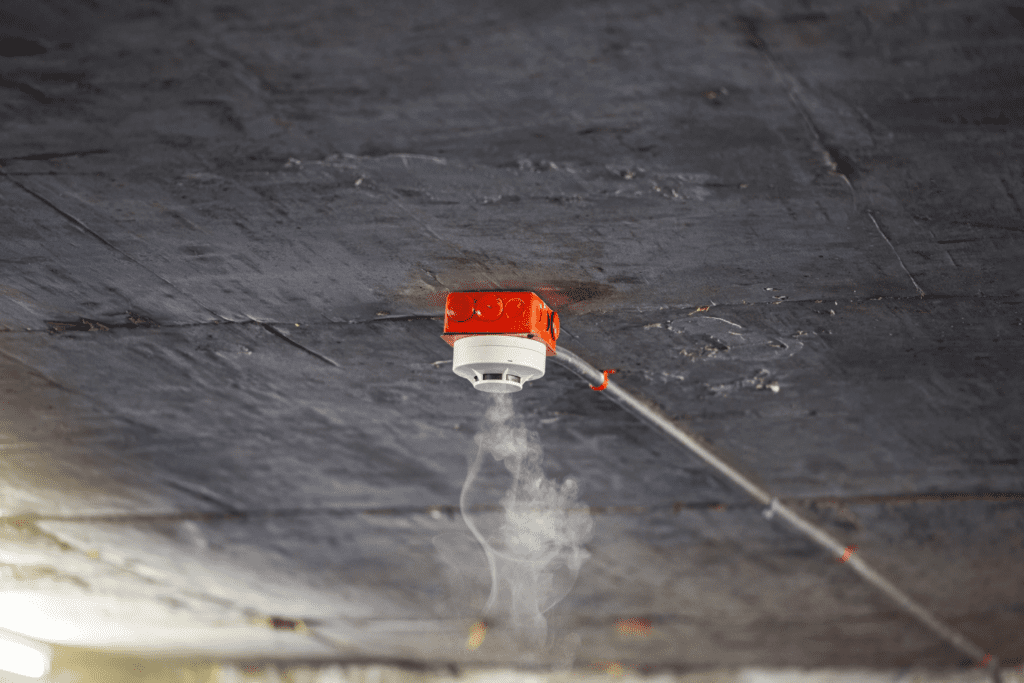
Fire detection and alarm systems consist of several key components, including sensors, control units, and visual and auditory alert devices. These systems are divided into two main types:
1. Automatic Fire Detection Systems
These include sensors that respond to different fire indicators such as:
- Smoke detectors: Detect fine particles produced by combustion and are commonly used in enclosed spaces like hospitals and hotels.
- Heat detectors: Respond to a rapid increase in temperature, making them suitable for areas with fumes or gases that could trigger false alarms in smoke detectors.
- Gas detectors: Identify leaks of flammable gases like propane or methane, helping prevent explosions.
2. Early Fire Warning Systems
These systems alert individuals in the facility about a fire through:
- Audible alarms: Emit loud sounds for warning, used in offices, factories, and hospitals.
- Visual alarms: Rely on bright flashing lights to alert people, especially in noisy environments.
- Automatic emergency communication systems: Send signals directly to civil defense centers or firefighting teams when a fire is detected.
Fire Suppression Systems
1. Automatic Sprinkler Systems
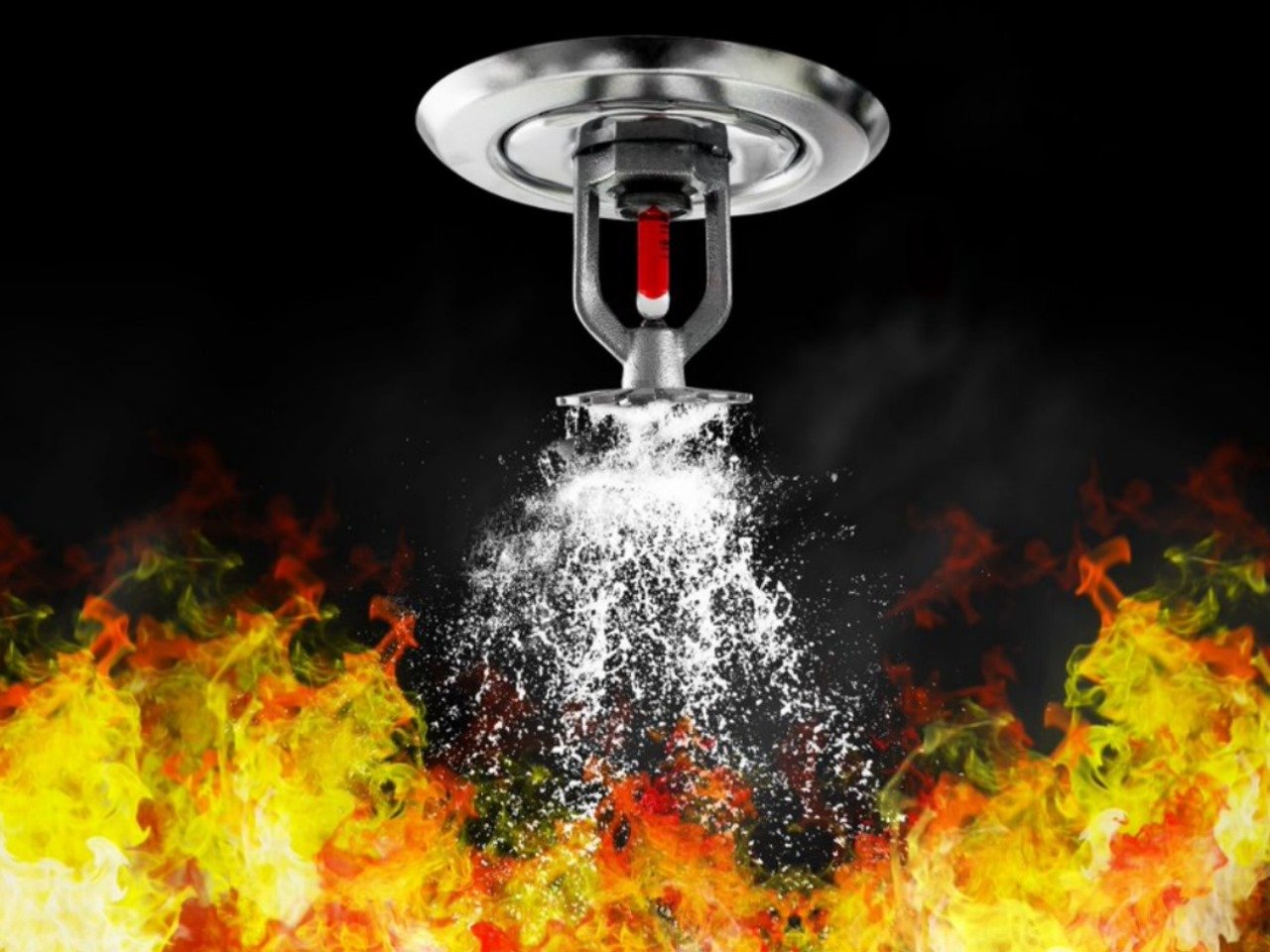
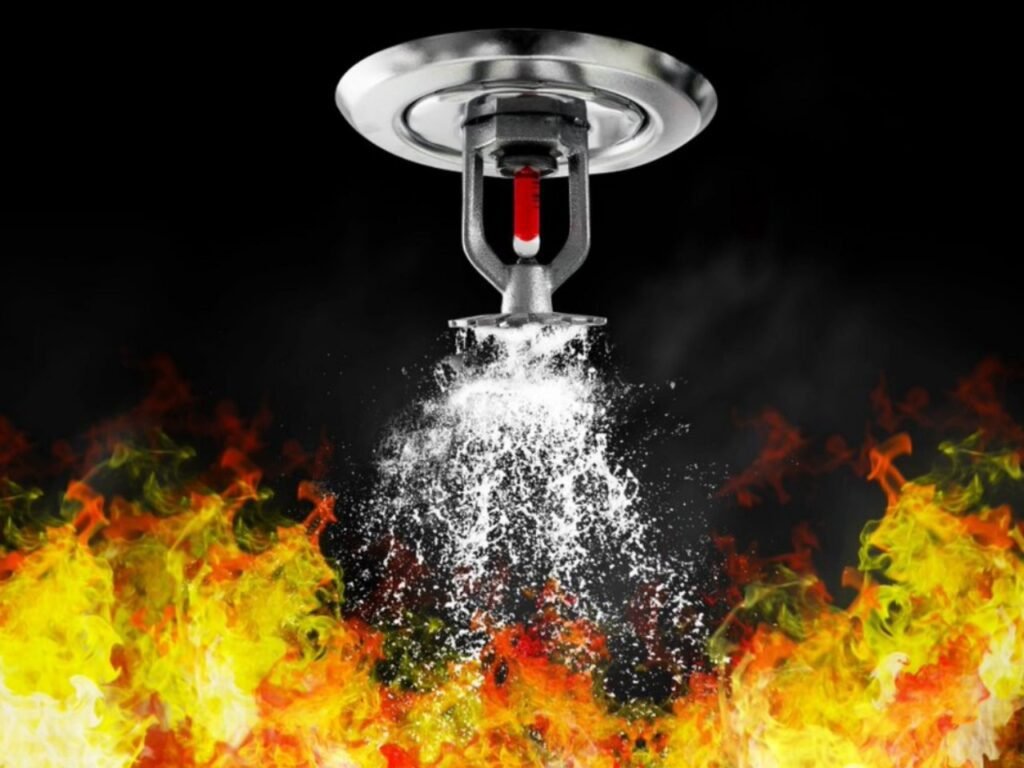
Among the most effective fire suppression systems, sprinklers extinguish fires in their early stages by automatically discharging water when heat or smoke is detected. These systems are used in:
- Shopping centers
- Hospitals
- Factories and warehouses
2. Carbon Dioxide (CO₂) Fire Suppression Systems
These are used in locations where water is unsuitable, such as:
- Server rooms and electrical equipment rooms
- Laboratories and chemical research facilities
. Foam Fire Suppression Systems
Foam-based suppression is effective for extinguishing fires involving flammable liquids, such as fuels and oils, making them ideal for factories and airports.
4. Dry Chemical Fire Suppression Systems
These are used in industrial facilities and fuel stations to extinguish fires involving combustible metals and chemicals.
Fire Management Systems in Hospitals
Hospitals require specialized fire safety measures due to their vulnerable patients and sensitive medical equipment. Fire management in hospitals includes:
- Advanced early warning systems
- High-sensitivity smoke detectors
- Fire suppression systems that do not damage medical equipment, such as inert gas systems
- Detailed evacuation plans covering medical staff and patients
Fire Management Systems in Companies and Commercial Buildings
Businesses and commercial buildings require flexible and efficient fire protection systems, including:
- Integrated alarm systems connected to central building management
- Automatic sprinkler systems covering large areas
- Clear emergency plans outlining fire response and evacuation procedures
Fire Safety Standards and Installation Requirements
Fire safety systems adhere to international standards such as:
- NFPA (National Fire Protection Association)
- ISO 7240 for fire alarm systems
- European Standard EN 54 for fire detectors and alarm devices
Governments also enforce specific requirements, including:
- Providing adequate emergency exits
- Installing fire detection and alarm systems according to regulations
- Conducting regular system testing and maintenance
Regular Maintenance of Fire Protection Systems
To ensure efficiency, fire protection systems must undergo regular inspections, including:
- Testing fire detection and alarm devices
- Inspecting fire suppression systems and ref
تعد أنظمة السلامة من الحريق من العناصر الأساسية في تصميم وتشغيل أي منشأة، سواء كانت مستشفيات، شركات، أو أماكن تجارية. فالحرائق تشكل خطرًا كبيرًا على الأرواح والممتلكات، وتسبب خسائر فادحة إذا لم يتم التعامل معها بشكل فعال وسريع. لذلك، يتم تطبيق أنظمة وقائية متقدمة تشمل أنظمة الإطفاء، الإنذار، وكشف الدخان، والتي تهدف إلى تقليل المخاطر والاستجابة للحوادث بأقصى سرعة.
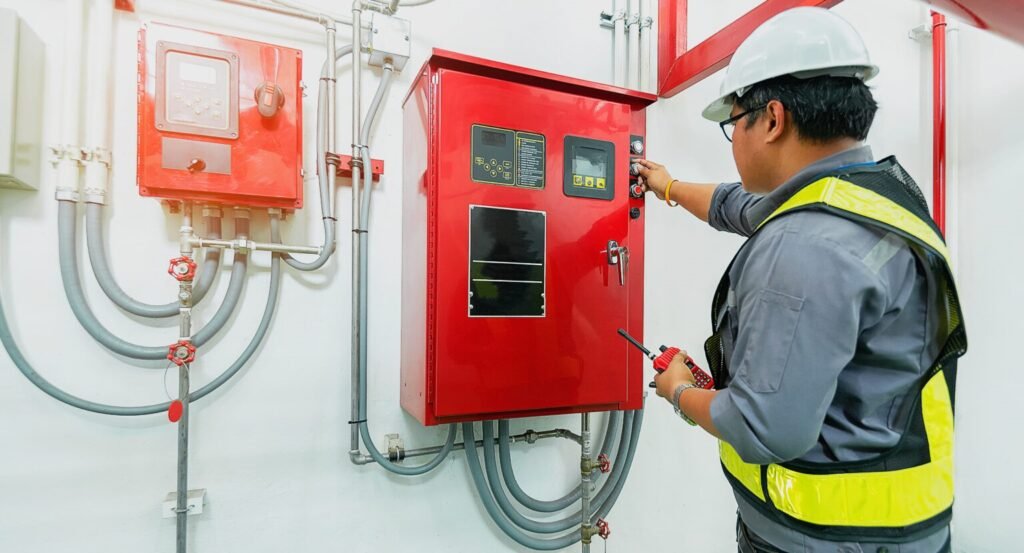
أهمية أنظمة السلامة من الحريق
تساعد أنظمة مكافحة الحرائق في:
- حماية الأرواح: تتيح هذه الأنظمة الإنذار المبكر وإجراءات الإخلاء الفعالة لحماية الأشخاص من التعرض للدخان أو النيران.
- تقليل الخسائر المادية: أنظمة الإطفاء الفعالة تحد من انتشار الحريق، مما يقلل من الأضرار التي تلحق بالممتلكات.
- الامتثال للمعايير والقوانين: تفرض الحكومات والجهات التنظيمية معايير صارمة للسلامة من الحرائق، ويلتزم أصحاب المنشآت بتطبيقها لضمان بيئة آمنة.
- استمرارية العمل: وجود نظام حماية فعال يساعد في تقليل التوقف عن العمل الناجم عن أضرار الحريق.
أنظمة الكشف والإنذار عن الحرائق
تتكون أنظمة الكشف والإنذار عن الحرائق من عدة عناصر رئيسية تشمل أجهزة استشعار، وحدات تحكم، وأجهزة تنبيه صوتية وبصرية. وتنقسم إلى نوعين رئيسيين:
1. أنظمة الكشف التلقائي عن الحريق
تشمل أجهزة الاستشعار التي تستجيب لمؤشرات الحريق المختلفة مثل:
- كاشفات الدخان: تعمل من خلال اكتشاف الجسيمات الدقيقة الناتجة عن الاحتراق، وهي الأكثر استخدامًا في الأماكن المغلقة مثل المستشفيات والفنادق.
- كاشفات الحرارة: تستجيب للارتفاع السريع في درجة الحرارة، مما يجعلها مناسبة للأماكن التي تحتوي على أبخرة أو غازات قد تؤدي إلى إنذارات خاطئة عند استخدام كاشفات الدخان.
- كاشفات الغاز: تكتشف تسربات الغازات القابلة للاشتعال مثل غاز البروبان أو الميثان، مما يساعد في الوقاية من الانفجارات.
. أنظمة الإنذار المبكر عن الحريق
تعمل هذه الأنظمة على تنبيه الأفراد في المنشأة بوجود حريق من خلال:
- أجهزة الإنذار الصوتي: تصدر أصواتًا عالية للتنبيه، وتستخدم في المكاتب، المصانع، والمستشفيات.
- أجهزة الإنذار الضوئي: تعتمد على الإضاءة القوية والوميض لتنبيه الأشخاص، خاصةً في الأماكن التي يكون فيها الضجيج مرتفعًا.
- أنظمة الاتصال التلقائي بالطوارئ: ترسل إشارات مباشرة إلى مراكز الدفاع المدني أو فرق الإطفاء عند اكتشاف الحريق.
أنظمة مكافحة الحريق
1. أنظمة الرش التلقائي للمياه
تعتبر من أكثر الأنظمة فعالية في مكافحة الحرائق، حيث تعمل على إخماد الحريق في مراحله الأولية عبر رش المياه تلقائيًا عند ارتفاع درجة الحرارة أو اكتشاف الدخان. تُستخدم هذه الأنظمة في:
- المراكز التجارية
- المستشفيات
- المصانع والمستودعات
2. أنظمة إطفاء الحريق بغاز ثاني أكسيد الكربون (CO₂)
تستخدم في الأماكن التي لا يمكن فيها استخدام المياه مثل:
- غرف السيرفرات والمعدات الكهربائية
- المعامل والمختبرات الكيميائية
3. أنظمة الإطفاء برغوة الفوم
تستخدم هذه الأنظمة في مكافحة حرائق المواد السائلة القابلة للاشتعال مثل الزيوت والوقود في المصانع والمطارات.
4. أنظمة الإطفاء بمساحيق كيميائية جافة
تستخدم في المنشآت الصناعية ومحطات الوقود لإطفاء حرائق المعادن والمواد الكيميائية القابلة للاشتعال.
أنظمة إدارة الحريق في المستشفيات
تعد المستشفيات من الأماكن الحساسة جدًا فيما يتعلق بأنظمة الحريق، حيث تضم مرضى لا يستطيعون الحركة بسرعة، وأجهزة طبية تحتاج لحماية خاصة. لذا، يتم استخدام:
- أنظمة إنذار مبكر متطورة
- أجهزة كشف الدخان عالية الحساسية
- أنظمة إطفاء لا تسبب ضررًا للأجهزة الطبية مثل أنظمة الغازات الخاملة
- خطط إخلاء دقيقة تشمل الطواقم الطبية والمرضى
أنظمة إدارة الحريق في الشركات والمباني التجارية
تحتاج الشركات والمباني التجارية إلى أنظمة مرنة وفعالة تشمل:
- أنظمة إنذار متكاملة مع التحكم المركزي في المبنى
- أنظمة رش آلية لتغطية مساحات كبيرة
- خطط طوارئ واضحة تشمل إجراءات الإخلاء والتعامل مع الحريق
معايير السلامة ومتطلبات التركيب
تخضع أنظمة السلامة من الحرائق لمعايير دولية مثل:
- NFPA (الجمعية الوطنية للحماية من الحرائق)
- ISO 7240 لأنظمة الإنذار من الحريق
- المواصفات الأوروبية EN 54 لكاشفات الحريق وأجهزة الإنذار
كما تضع الحكومات متطلبات محددة تشمل:
- توفير مخارج طوارئ كافية
- تركيب أنظمة الكشف والإنذار وفقًا للمعايير المحددة
- إجراء اختبارات وصيانة دورية للأنظمة
الصيانة الدورية لأنظمة الحريق
يجب فحص أنظمة الحريق دوريًا لضمان كفاءتها، وتشمل الصيانة:
- اختبار أجهزة الكشف والإنذار
- فحص أنظمة الإطفاء وإعادة تعبئة الطفايات
- التحقق من سلامة أنظمة التحكم ومصادر الطاقة الاحتياطية
- تدريب الموظفين على إجراءات الطوارئ