HVAC (Heating, Ventilation, and Air Conditioning) systems
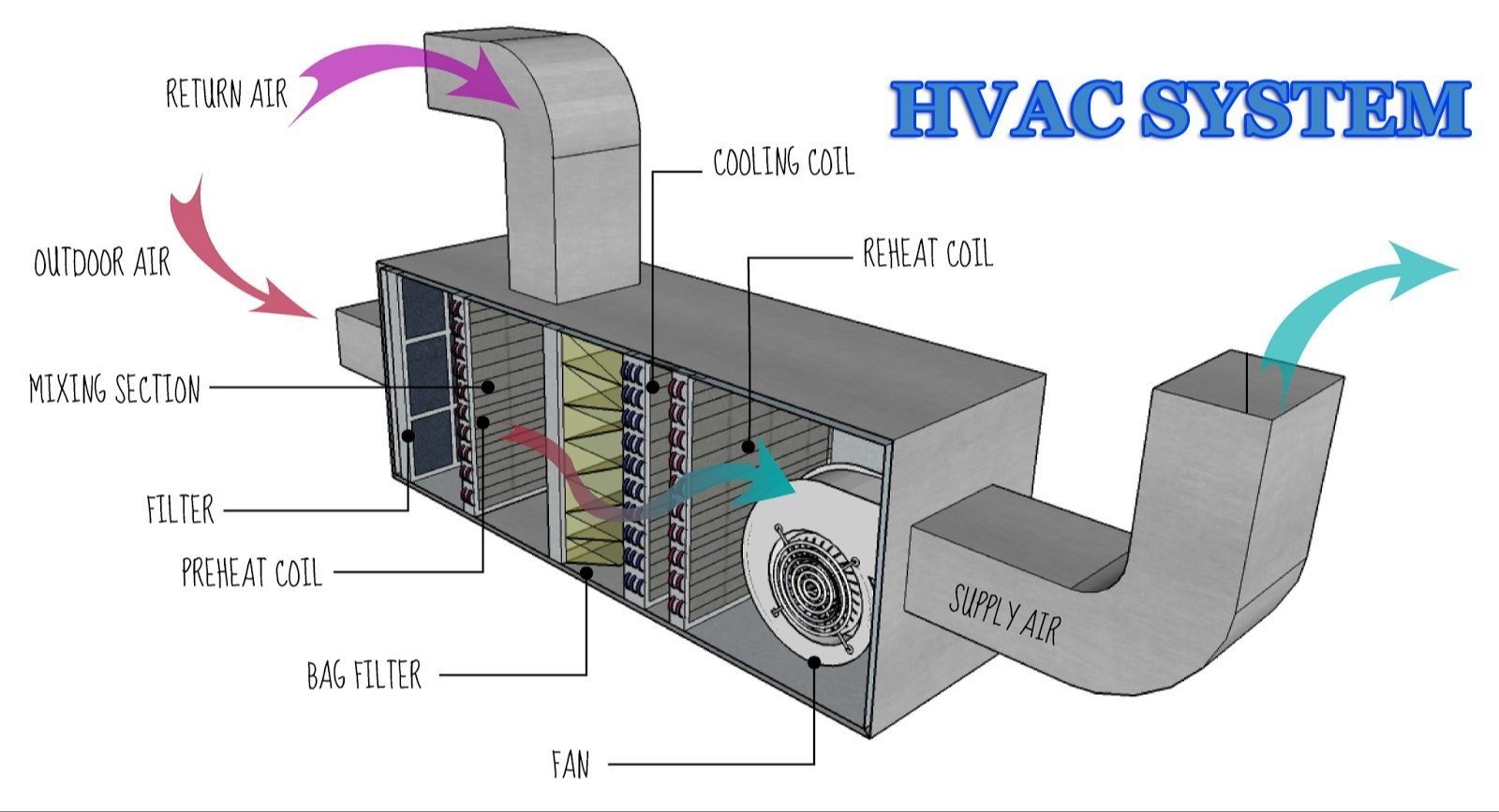
HVAC (Heating, Ventilation, and Air Conditioning) systems are fundamental in the design and operation of modern buildings, providing comfortable and healthy indoor environments. These systems incorporate advanced technologies aimed at controlling temperature, humidity levels, and air quality, enhancing overall comfort, health, and safety in residential, commercial, and industrial settings. Continuous advancements in HVAC technologies contribute to improving energy efficiency and reducing environmental impact, making them more sustainable over time.
Importance of HVAC Systems
HVAC systems play a crucial role in various sectors due to their significant impact on quality of life and operational efficiency. Some of their key benefits include:
- Thermal Comfort – HVAC systems regulate indoor temperatures, creating a comfortable environment for occupants.
- Improved Indoor Air Quality – Ventilation systems help remove pollutants and harmful gases from the air, reducing the risk of respiratory diseases and promoting overall health.
- Energy Efficiency Enhancement – Modern technologies, such as artificial intelligence and automatic control, optimize energy consumption and reduce operational costs.
- Protection of Sensitive Equipment and Materials – In environments like hospitals, laboratories, and electronics industries, temperature and humidity control play a vital role in preserving sensitive equipment and materials.
- Environmental Sustainability – Modern HVAC systems utilize technologies that reduce carbon emissions, contributing to environmental conservation.
Applications of HVAC Systems
1. Hospitals and Healthcare Facilities
HVAC systems are essential in hospitals to maintain a clean and healthy environment. Their key functions include:
- Regulating temperature and humidity in operating rooms and intensive care units.
- Controlling airflow to prevent the spread of infections and diseases.
- Providing fresh, pollutant-free air in critical areas like sterilization rooms and laboratories.
2. Commercial Buildings and Offices
In commercial buildings, HVAC systems create a comfortable environment for employees and customers, enhancing productivity and comfort. Their key features include:
- Maintaining suitable temperatures throughout the year.
- Improving indoor air quality and reducing carbon dioxide levels.
- Lowering operational costs by using energy-efficient cooling and heating systems.
3. Shopping Malls and Retail Centers
HVAC systems are essential in malls to create a pleasant shopping experience. Their benefits include:
- Enhancing the shopping experience by maintaining a comfortable indoor climate.
- Reducing heat buildup from lighting and high occupancy levels.
- Keeping the air fresh and free from unwanted odors.
4. Factories and Warehouses
HVAC systems in industrial settings help maintain optimal working conditions for both machinery and employees. Key benefits include:
- Ensuring machines operate in a temperature-controlled environment, free from excessive heat or humidity.
- Reducing the risk of heat buildup in enclosed warehouses.
- Improving workplace conditions and increasing worker safety.
5. Schools and Universities
HVAC systems play a significant role in educational institutions by:
- Providing a comfortable learning environment for students and teachers.
- Reducing the spread of diseases through effective ventilation.
- Lowering energy consumption and improving environmental performance.
Types of HVAC Systems
1. Central Air Conditioning Systems
- Utilize a central cooling unit connected to a network of ducts for air distribution.
- Commonly used in large buildings like hospitals, hotels, and malls.
- Provide centralized temperature control.
2. Split Air Conditioning Systems
- Consist of an outdoor unit and an indoor unit.
- Ideal for homes and small offices due to their affordability and ease of installation.
3. VRV/VRF Systems (Variable Refrigerant Volume/Flow)
- Control the amount of refrigerant sent to indoor units based on actual demand.
- Offer high energy efficiency and individualized temperature control for each room.
- Commonly used in hotels and high-end commercial buildings.
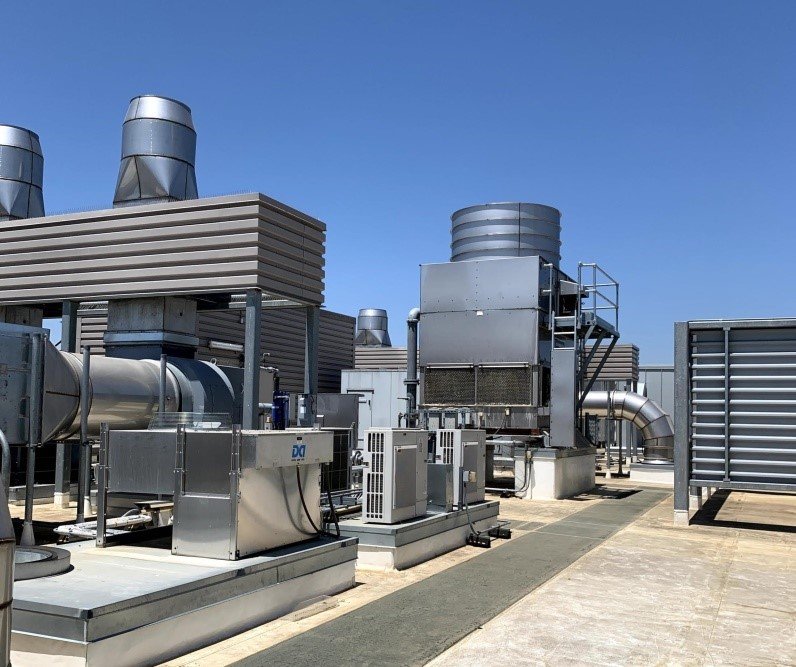
4. Mechanical and Natural Ventilation Systems
- Improve indoor air quality by introducing fresh air and expelling contaminated air.
- Used in healthcare facilities, laboratories, and office buildings.
5. Heating Systems
- Include central heating systems powered by gas, electricity, or heat pumps.
- Essential in cold climates to provide optimal heating.
Recent Advancements in HVAC Technology
- Integration of AI and IoT (Internet of Things)
- Allows users to control HVAC systems remotely via smartphone applications.
- Enhances energy efficiency by predicting actual energy consumption.
- Solar-Powered Air Conditioning Systems
- Utilize solar energy to power cooling units, reducing electricity consumption.
- Increasingly adopted in regions with high solar radiation levels.
- Eco-Friendly Cooling Systems
- Utilize new refrigerants that minimize environmental impact and reduce greenhouse gas emissions.
- Energy Recovery Technologies
- Reuse heat generated by other appliances in the building to save energy.
- Widely implemented in mechanical ventilation systems.
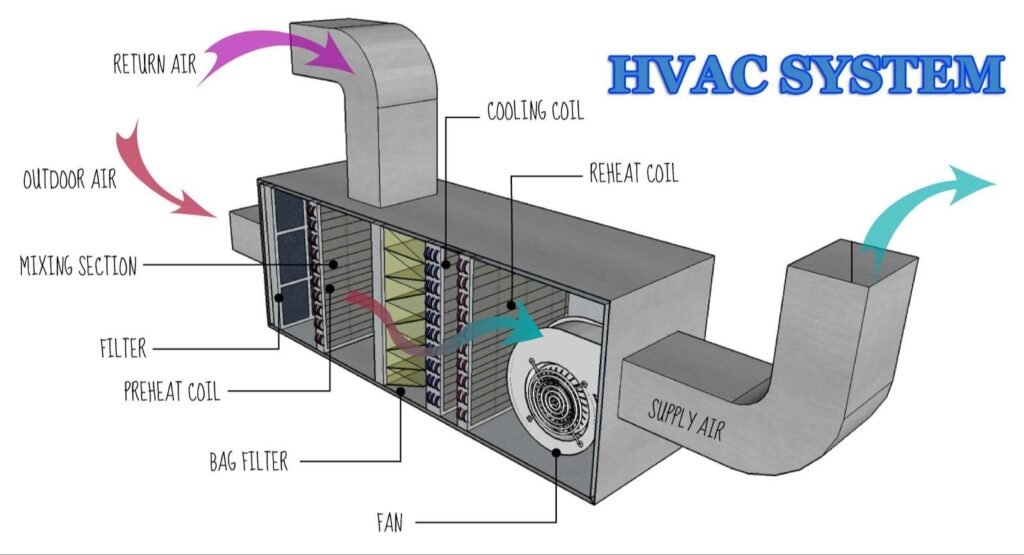
تعد أنظمة التكييف والتهوية والتدفئة (HVAC) من الركائز الأساسية في تصميم وتشغيل المباني الحديثة، حيث توفر بيئات داخلية مريحة وصحية للإنسان. تشمل هذه الأنظمة تقنيات متطورة تهدف إلى التحكم في درجات الحرارة، ومستويات الرطوبة، وجودة الهواء، مما يعزز من الراحة العامة والصحة والسلامة في البيئات السكنية والتجارية والصناعية. كما أن التطور المستمر في تقنيات HVAC يسهم في تحسين كفاءة استهلاك الطاقة وتقليل التأثير البيئي، مما يجعلها أكثر استدامة مع مرور الوقت
أهمية أنظمة التكييف والتهوية والتدفئة
تتمتع أنظمة HVAC بأهمية كبيرة في مختلف القطاعات، نظرًا لدورها المحوري في تحسين جودة الحياة والعمليات التشغيلية. ومن أبرز الفوائد التي تقدمها هذه الأنظمة:
- الراحة الحرارية: تعمل أنظمة HVAC على توفير درجات حرارة مناسبة داخل المباني، مما يساعد على خلق بيئة مريحة للأشخاص الذين يعيشون أو يعملون فيها.
- تحسين جودة الهواء الداخلي: تساعد أنظمة التهوية في إزالة الملوثات والغازات الضارة من الهواء، مما يقلل من مخاطر الأمراض التنفسية ويعزز من صحة الأفراد.
- تعزيز كفاءة الطاقة: من خلال استخدام تقنيات حديثة مثل الذكاء الاصطناعي والتحكم التلقائي، يمكن تحسين استهلاك الطاقة وتقليل التكاليف التشغيلية.
- حماية المعدات والمواد الحساسة: في بعض البيئات مثل المستشفيات والمختبرات والصناعات الإلكترونية، يلعب التحكم في درجة الحرارة والرطوبة دورًا حاسمًا في الحفاظ على المعدات والمواد الحساسة.
- تحقيق الاستدامة البيئية: تستخدم الأنظمة الحديثة تقنيات تقلل من انبعاثات الكربون، مما يساهم في الحفاظ على البيئة.
الأماكن التي تُستخدم فيها أنظمة HVAC
1. المستشفيات والمرافق الصحية
تعتبر أنظمة HVAC ضرورية في المستشفيات للحفاظ على بيئة نظيفة وصحية. تشمل أهم وظائف هذه الأنظمة:
- ضبط درجات الحرارة والرطوبة في غرف العمليات والعناية المركزة.
- التحكم في تدفق الهواء لتجنب انتشار العدوى والأمراض.
- توفير هواء نقي وخالٍ من الملوثات في الأقسام الحيوية مثل غرف التعقيم والمختبرات.
2. المباني التجارية والمكاتب
توفر أنظمة HVAC في المباني التجارية بيئة مريحة للموظفين والعملاء، مما يعزز من الإنتاجية والراحة. تشمل أهم ميزاتها:
- الحفاظ على درجات حرارة مناسبة طوال العام.
- تحسين جودة الهواء الداخلي وتقليل مستويات ثاني أكسيد الكربون.
- تقليل التكاليف التشغيلية من خلال استخدام أنظمة تبريد وتدفئة موفرة للطاقة.
3. المراكز التجارية والمولات
في المولات، تعد أنظمة التهوية والتبريد ضرورية لتوفير بيئة تسوق مريحة. تشمل الفوائد:
- تحسين تجربة التسوق من خلال توفير مناخ داخلي مناسب.
- تقليل التراكم الحراري الناتج عن الإضاءة وكثافة الأشخاص داخل المبنى.
- الحفاظ على بيئة هوائية نقية وخالية من الروائح غير المرغوبة.
4. المصانع والمستودعات
تُستخدم أنظمة HVAC في المصانع للحفاظ على درجة حرارة ملائمة للآلات والموظفين. تشمل أهم الفوائد:
- ضمان تشغيل المعدات في بيئة خالية من الحرارة الزائدة أو الرطوبة العالية.
- تقليل مخاطر الاحتباس الحراري داخل المستودعات المغلقة.
- تحسين بيئة العمل وزيادة سلامة العمال.
5. المدارس والجامعات
تلعب أنظمة HVAC دورًا كبيرًا في المؤسسات التعليمية، حيث:
- توفر بيئة تعليمية مريحة للطلاب والمعلمين.
- تقلل من انتشار الأمراض عبر التهوية الجيدة.
- تساهم في تقليل استهلاك الطاقة وتحسين الأداء البيئي.
أنواع أنظمة HVAC
1. أنظمة التكييف المركزي
- تعتمد على وحدة تبريد رئيسية تتصل بشبكة من القنوات لتوزيع الهواء.
- تُستخدم غالبًا في المباني الكبيرة مثل المستشفيات والفنادق والمولات.
- توفر تحكمًا مركزيًا في درجات الحرارة.
2. أنظمة التكييف المنفصلة (Split System)
- تتكون من وحدة خارجية ووحدة داخلية.
- مناسبة للمنازل والمكاتب الصغيرة نظرًا لتكلفتها المنخفضة وسهولة تركيبها.
3. أنظمة التكييف VRV/VRF
- تعمل على التحكم في كمية وسيط التبريد الذي يتم إرساله إلى الوحدات الداخلية بناءً على الحاجة الفعلية.
- تتميز بالكفاءة العالية في استهلاك الطاقة وإمكانية التحكم في درجات الحرارة لكل غرفة على حدة.
- تُستخدم في الفنادق والمباني التجارية الفاخرة.
4. أنظمة التهوية الميكانيكية والطبيعية
- تساعد على تحسين جودة الهواء داخل المباني من خلال إدخال الهواء النقي والتخلص من الهواء الملوث.
- تُستخدم في المرافق الصحية والمختبرات والمباني المكتبية.
5. أنظمة التدفئة
- تشمل أنظمة التدفئة المركزية التي تعمل بالغاز أو الكهرباء أو المضخات الحرارية.
- تُستخدم في المناطق ذات المناخ البارد لتوفير التدفئة المثالية.
.
التطورات الحديثة في أنظمة HVAC
- استخدام الذكاء الاصطناعي وإنترنت الأشياء (IoT)
- يسمح للمستخدمين بالتحكم في أنظمة التكييف عن بعد عبر تطبيقات الهاتف الذكي.
- يساعد في تحسين كفاءة الطاقة من خلال التنبؤ بالاستهلاك الفعلي.
- أنظمة التكييف بالطاقة الشمسية
- تعتمد على الطاقة الشمسية لتشغيل وحدات التبريد، مما يقلل من استهلاك الكهرباء.
- تُستخدم بشكل متزايد في المناطق التي تتلقى معدلات إشعاع شمسي مرتفعة.
- أنظمة تبريد صديقة للبيئة
- استخدام وسائط تبريد جديدة تقلل من التأثير البيئي وتخفض انبعاثات غازات الاحتباس الحراري.
- تقنيات استرداد الطاقة
- تساعد على إعادة استخدام الحرارة الناتجة عن الأجهزة الأخرى داخل المبنى لتوفير الطاقة.
- تُستخدم بكثرة في أنظمة التهوية الميكانيكية.